La Mesa Top HVAC Contractor for Reliable Heating and Cooling Solutions
HVAC Contractor Knowledge for Year-Round Environmental Comfort
The proficiency of an HVAC contractor is necessary for ensuring excellent home temperature management throughout the year. Their knowledge ensures that systems are installed, maintained, and repaired efficiently, improving performance and efficiency. Grasping specific requirements enables contractors to predict issues before they escalate. However, selecting the right contractor can be difficult. What should homeowners examine to make sure they make the best choice for their comfort needs?
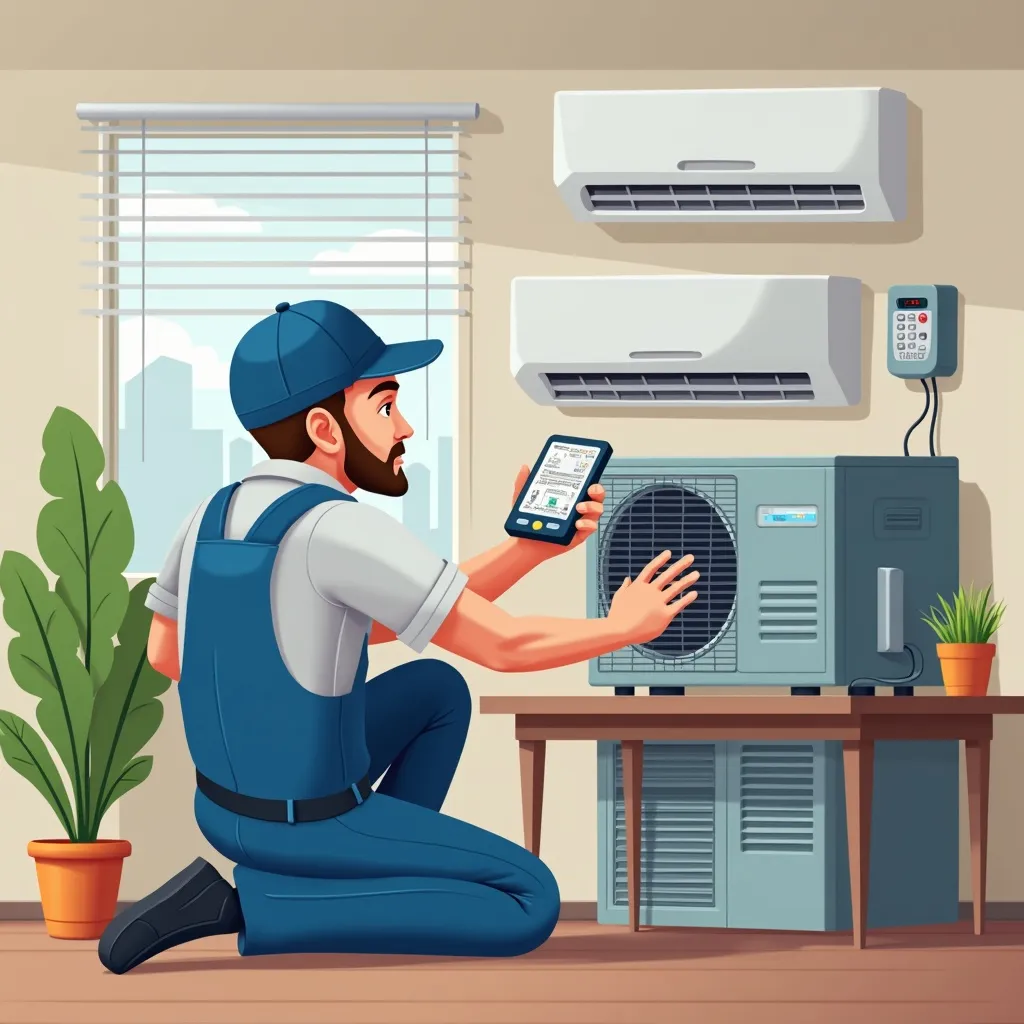
Why Your HVAC System Proves Vital for Home Comfort
The HVAC system functions as the foundation of home comfort, influencing temperature, air quality, and overall living conditions. Its main purposes include heating, ventilation, and air conditioning, which together create a balanced indoor environment. A well-functioning HVAC system ensures consistent temperatures throughout the home, preventing extreme fluctuations that can impact comfort. Proper ventilation is essential for maintaining air quality, decreasing the presence of allergens, pollutants, and excess humidity.
Additionally, an efficient HVAC system can deliver energy savings, decreasing utility bills while enhancing comfort. Regular upkeep and timely improvements can further optimize performance, making certain that the system operates at peak efficiency. Homeowners who focus on their HVAC systems often experience fewer disruptions and a more pleasant living environment. Ultimately, the significance of review article the HVAC system extends beyond mere temperature control, playing an fundamental role in health, comfort, and overall quality of life.
Vital HVAC Services for Homeowners
Property owners must recognize the significance of critical HVAC services to preserve system performance and comfort. Regular upkeep is crucial in extending equipment lifespan and guaranteeing optimal performance. Furthermore, energy efficiency upgrades can lead to substantial financial benefits and a reduced environmental footprint.
How Preventive Maintenance Matters
Many people may neglect the significance of preventive maintenance, yet it is essential for the life and operation of HVAC systems. Steady maintenance aids in detecting potential problems before they turn into costly repairs, ensuring smooth operation throughout the year. Activities including filter replacements, system checks, and refrigerant inspections can enhance performance and decrease energy consumption. Homeowners gain from improved indoor air quality and consistent temperature control, creating a comfortable living environment. Additionally, routine maintenance often lengthens the lifespan of the equipment, ultimately saving homeowners money in the long term. By investing in preventive maintenance, individuals can benefit from peace of mind, knowing their HVAC systems are working at peak efficiency and dependably throughout the changing seasons.
Energy Efficiency Improvements
Energy efficiency upgrades offer homeowners substantial benefits, boosting both comfort and financial savings. By adopting modern HVAC systems, such as high-efficiency furnaces or energy-efficient air conditioners, households can minimize energy consumption and lower utility bills. Additionally, improving insulation and sealing ductwork can prevent energy loss, making certain that conditioned air remains within the home. HVAC contractors often advise smart thermostats, which optimize temperature settings based on occupancy patterns, further contributing to energy savings. These upgrades not only benefit the environment by reducing carbon footprints but also increase property value. Homeowners who emphasize energy efficiency can relish a more sustainable lifestyle while gaining improved indoor air quality and overall comfort throughout the year.
Selecting the Ideal HVAC Service Provider?
How can one ensure they choose the most qualified HVAC contractor for their needs? Research is important; potential clients should begin by asking for recommendations from friends and family. Online reviews can provide information into contractors' reputations. It is essential to verify licenses and certifications to confirm compliance with local regulations. Obtaining multiple quotes allows for comparisons of pricing and services offered, but the lowest bid should not be the sole deciding factor.
In addition, examining a contractor's background with specific HVAC systems can be beneficial. Inquiring about guarantees and after-sales service also helps gauge dependability. A reputable contractor will conduct a thorough assessment of the home before offering recommendations. Ultimately, trust and communication are vital; picking someone who hears and addresses concerns can result in a successful partnership. By taking these steps, homeowners can assuredly pick a skilled HVAC contractor adapted to their specific requirements.
Energy Effectiveness Recommendations for HVAC Systems
Energy optimization in HVAC systems is vital for both cost savings and sustainability concerns. Regular servicing plays a key role in ensuring peak performance, while the use of automated temperature systems can enhance energy efficiency by allowing for customized temperature settings. Understanding these aspects can lead to superior efficiency and comfort in any space.
The Significance of Regular Maintenance
While many residents may overlook the significance of regular HVAC upkeep, it has a crucial role in enhancing energy efficiency. Regular inspections and servicing assist in detecting possible problems before they worsen, ensuring the system operates at optimal efficiency. Cleaning or changing filters on a frequent basis can significantly boost airflow, allowing the HVAC system to perform more efficiently. Furthermore, inspecting refrigerant quantities and reviewing ductwork for leaks helps prevent energy waste, leading to reduced utility expenses. Regular maintenance not only prolongs the lifespan of the equipment but also helps maintain indoor air quality. Prioritizing HVAC care allows homeowners to achieve comfort and decrease energy consumption, in the end aiding both their budgets and the planet.
Programmable Thermostat Benefits
Creating better comfort and efficiency, programmable thermostats give homeowners an intelligent alternative for supervising their HVAC systems. These instruments permit users to establish specific temperature schedules, confirming that heating and cooling function when required, which minimizes energy consumption. By actively modifying temperatures during off-peak hours, programmable thermostats can noticeably diminish utility bills. Moreover, several models offer remote access through smartphone applications, empowering homeowners to supervise and control settings from anywhere. This versatility not only strengthens convenience but also grants users command of their energy usage. In summary, embedding a programmable thermostat into an HVAC system can yield optimized energy efficiency, boosted comfort, and a diminished environmental footprint, making it a strong investment for any home.
Seasonal Maintenance Strategies From HVAC Experts
Many homeowners overlook the significance of regular upkeep for their HVAC systems, yet professionals emphasize that consistent maintenance is essential for optimal efficiency and durability. HVAC professionals suggest twice-yearly inspections—once in spring and once in fall—to prepare systems for temperature extremes.
In spring maintenance, technicians regularly maintain coils, check refrigerant levels, and evaluate electrical connections, ensuring air conditioning units perform efficiently. During the fall, the focus shifts to heating systems; filters are updated, and furnace components are assessed to prevent breakdowns during winter.
Additionally, experts underscore the necessity of clearing debris around outdoor units and ensuring sufficient airflow. Consistent upkeep not only improves operational performance but also extends the service life of HVAC systems, ultimately helping homeowners conserve homeowners money on energy bills and repairs. By emphasizing these seasonal tactics, homeowners can experience comfortable indoor climates all year long.
What HVAC Problems Do Contractors Fix?
Seasonal servicing not only boosts HVAC system output but also helps spot potential issues before they worsen. HVAC contractors regularly address a variety of problems, ensuring ideal system performance. One common issue is refrigerant leaks, which can lead to insufficient cooling and increased energy costs. Contractors also regularly handle electrical problems, such as malfunctioning thermostats or faulty wiring, which can interrupt heating and cooling cycles.
Another prevalent difficulty involves air duct issues, encompassing blockages or leaks that impede efficient airflow. Contractors may also address condensate drain backups, which can result in water damage and mold growth. Additionally, they tackle mechanical failures in units like compressors or blowers, essential for system operation. Consistent inspections and timely repairs by HVAC professionals not only extend the lifespan of the systems but also strengthen energy efficiency, ultimately pointing in cost advantages for homeowners.
Often Asked Inquiries and Responses
How Do I Know When to Replace My HVAC System?
Indicators exposing the requirement of HVAC system upgrade include frequent breakdowns, increasing utility costs, inconsistent temperatures, and systems over a decade old. Routine maintenance checks can help determine efficiency and longevity, shaping the replacement decision.
Identifying the Signs of an Subpar HVAC System - What Should You Know?
Indicators of an deficient HVAC system involve inconsistent temperatures, excessive energy bills, unexpected sounds, reduced airflow, and repetitive cycling. These warning signs imply suspected problems that may involve qualified evaluation or system substitution for best performance.
Do HVAC Systems Enhance Indoor Air Quality?
HVAC systems can greatly enhance air purity inside homes by straining out contaminants, balancing humidity levels, and ensuring proper ventilation. Regular maintenance and upgrades strengthen their capabilities, advancing a healthier living environment for occupants consistently year-round.
What Impact Does Weather Play in HVAC Output?
Weather shapes HVAC capabilities; extreme temperatures can strain systems, impairing efficiency. Moisture levels influence moisture control, while seasonal changes necessitate adjustments in settings. Regular maintenance addresses these effects, preserving peak functionality year-round.
What Guarantees Are Provided for HVAC Systems?
HVAC systems typically come with manufacturer warranties covering parts for five to ten years. Some contractors extend extended service warranties, which may include labor and maintenance, offering additional protection for system reliability and longevity.